
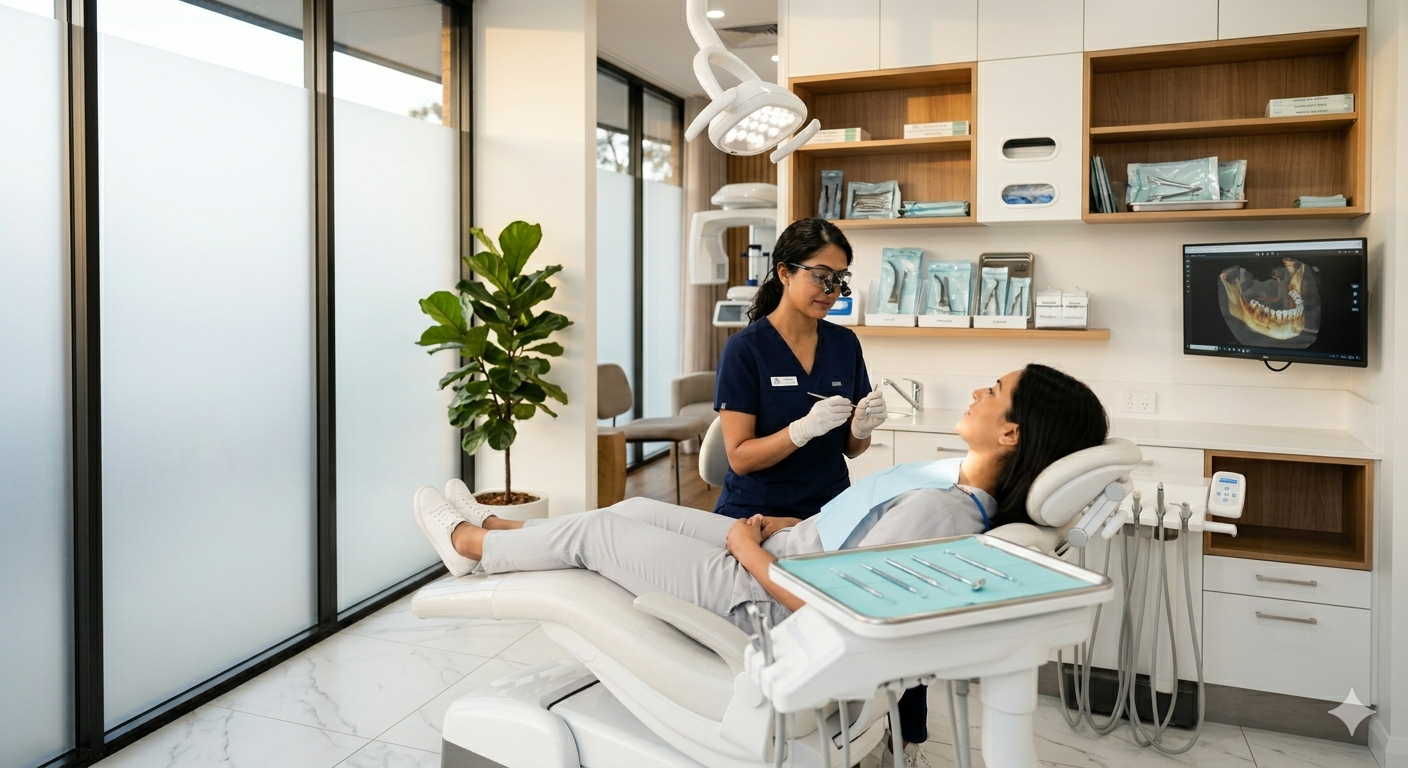
Dental implants in Concord, CA, offer a reliable and lasting solution for people dealing with missing teeth. They mimic natural teeth by anchoring directly into the jawbone, providing both comfort and stability that traditional dentures often lack. This modern option helps restore not just a smile, but also chewing ability and confidence.
Many patients worry about the procedure or recovery, but dental professionals in Concord focus on making the experience as smooth as possible. With advances in technology and techniques, implants are more accessible and less intimidating than ever. The local dental offices combine expertise with a gentle approach to ensure patient comfort every step of the way.
For anyone considering tooth replacement, understanding how dental implants work and what to expect can make a big difference. Getting the right information helps patients make confident decisions about their oral health. If questions come up, reaching out to a Concord dental expert is a good next step.
Understanding Tooth Loss and Its Impact
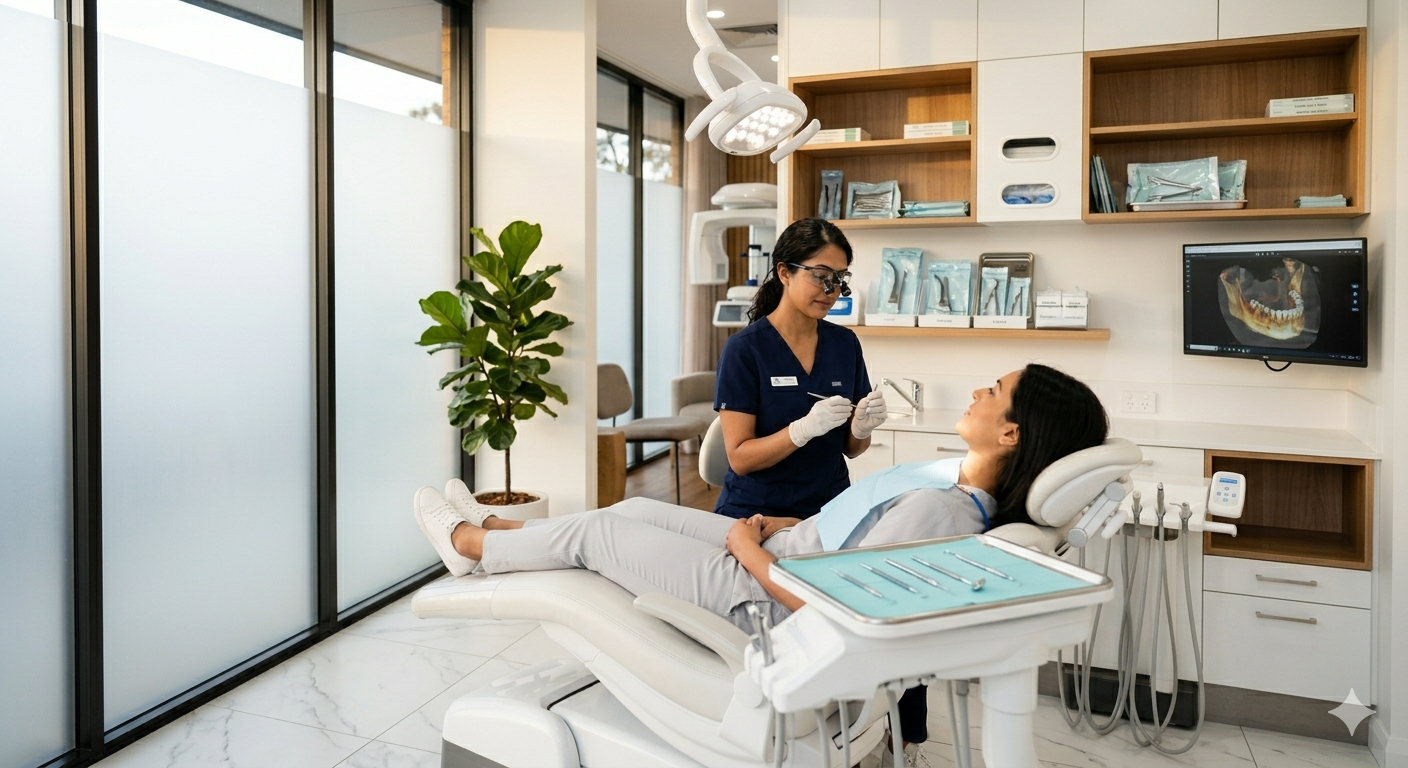
Tooth loss can affect many parts of daily life, from eating habits to self-esteem. Knowing why teeth fall out and what happens afterward helps in making informed decisions about dental care.
Common Causes of Missing Teeth
The most frequent cause of tooth loss is gum disease, especially when it progresses without treatment. This infection damages the gums and bone supporting the teeth, leading to loosening and eventual loss.
Another common factor is tooth decay, where untreated cavities break down the tooth structure. Trauma from accidents or injuries can also lead to sudden tooth loss. Additionally, some people lose teeth due to congenital reasons or medical conditions that affect oral health.
Smoking and poor oral hygiene increase the risk of losing teeth. Regular dental visits help catch problems early before tooth loss occurs.
Consequences for Oral Health and Confidence
Missing teeth can make it harder to chew food properly, limiting your diet and nutrition. It also affects speech clarity, which may cause embarrassment during conversations.
Bone loss happens underneath the gap left by missing teeth, which can change the shape of the face over time. This may lead to a sunken or aged appearance.
Emotionally, tooth loss often lowers self-confidence. Many people avoid smiling or social situations, impacting both personal and professional life.
Why Replacing Teeth Matters
Replacing missing teeth restores the ability to eat a full range of foods. It helps maintain proper bite alignment and prevents surrounding teeth from shifting out of place.
Dental implants are a modern replacement option that supports jawbone health by mimicking natural tooth roots. Unlike dentures, implants offer stability and a natural look.
Choosing to replace teeth can improve both oral function and appearance. Patients who explore options with their dentist often find solutions that fit their lifestyle and comfort needs.
How Dental Implants Work
Dental implants provide a steady, natural-feeling solution by anchoring replacement teeth directly into the jawbone. The process relies on specialized components and modern materials to restore both function and appearance.
Anatomy of a Dental Implant
A dental implant consists of three main parts: the implant post, the abutment, and the crown. The implant post is usually made of titanium and acts like the root of a natural tooth, surgically embedded into the jawbone. Once the bone heals around the post, it creates a strong foundation.
Above the post is the abutment, a small connector piece that attaches the implant to the visible crown. The crown, often made from ceramic or porcelain, is custom-designed to match the patient’s surrounding teeth in shape and color.
What Makes Implants Unique Compared to Alternatives
Unlike dentures or bridges, dental implants fuse directly with the jawbone through a process called osseointegration. This connection prevents bone loss and provides superior stability. Implants don’t rely on neighboring teeth for support, which helps preserve overall dental health.
They also offer a permanent solution, avoiding the slipping or discomfort associated with dentures. Implants allow patients to eat, speak, and smile confidently without worry about moving parts or adhesives.
Advances in Implant Technology
Recent advances have made dental implant procedures quicker and less invasive. Computer-guided implant surgery improves precision by mapping out the exact placement on a 3D model of the patient’s mouth. This reduces healing time and lowers the risk of complications.
New materials have enhanced the biocompatibility and durability of implants. Some implants now feature surface treatments that promote faster bone integration. Additionally, same-day implants and teeth in a day protocols offer patients quicker restorations without multiple visits.
Candidacy and Personalized Treatment Planning
Determining if dental implants are right for a patient involves assessing oral health, bone quality, and overall medical conditions. Each treatment plan is tailored to fit individual needs, ensuring the best possible outcomes based on thorough evaluations.
Who Is a Good Candidate for Implants
Candidates for dental implants in Concord, CA generally need sufficient bone density in their jaw to support the implant. Healthy gums free of active infection or periodontal disease are crucial for implant success. Smoking, uncontrolled diabetes, or certain medical conditions may affect healing and implant integration.
Age is not a strict barrier, but patients should have stopped jawbone growth. Those with missing teeth, denture discomfort, or difficulty chewing often benefit from implants. A comprehensive evaluation, including X-rays or 3D scans, helps determine if bone grafting or other preparatory treatments are necessary.
Initial Consultation Experience
During the first visit, the dentist reviews medical history and discusses patient goals. A detailed oral exam follows, combined with imaging to check bone structure and gum health. This appointment sets the foundation for personalized care and answers common concerns about the procedure and recovery.
Patients receive clear information about costs, timelines, and potential risks. The dentist encourages questions to build trust and confidence. Comfort measures are always prioritized, ensuring patients feel safe and supported throughout the process.
Customizing Your Treatment
Treatment plans vary based on the number of missing teeth, jawbone condition, and overall health. Some patients may receive single implants, while others need multiple implants with bridges or full-arch restorations. Bone grafts or sinus lifts might be scheduled before implant placement if bone volume is insufficient.
Scheduling and material choices, such as titanium versus zirconia implants, are discussed to suit personal preferences and lifestyle. The dental team works closely with the patient to create a step-by-step plan that fits their schedule and comfort level. Post-surgery care and follow-up visits are clearly outlined to support healing and long-term success.
Step-By-Step Implant Process
The dental implant journey involves several carefully planned stages designed for safety and success. From preparing the mouth to placing the implant and supporting proper healing, each step is important to help patients regain confident smiles.
Preparations Before Surgery
Before surgery, a thorough dental exam is conducted to assess bone density and oral health. This usually includes X-rays or a 3D CT scan to map the jaw structure and locate nerves. Any decay or gum disease must be treated beforehand to reduce infection risks.
Patients should share their medical history, including medications and chronic conditions. In some cases, a bone graft may be needed to provide enough support for the implant. The dentist will discuss anesthesia options and pre-surgery instructions, such as fasting or medication adjustments.
Implant Placement Procedure
On the day of the procedure, local anesthesia or sedation is used to ensure comfort. The dentist carefully drills a small hole in the jawbone, then places the titanium implant post into this space. The post acts like a tooth root and provides a sturdy foundation.
This process typically takes about 1 to 2 hours per implant and is minimally invasive. After placement, the gum tissue is stitched closed to protect the area. Patients can expect mild swelling or discomfort, which can be managed with prescribed pain relief and cold packs.
Healing and Recovery Timeline
Healing, known as osseointegration, happens as the jawbone fuses tightly with the implant. This phase usually lasts 3 to 6 months but varies based on individual health and bone quality. During this time, patients can eat soft foods while avoiding pressure on the implant site.
Regular follow-up visits monitor healing progress and ensure no infection develops. Once healed, an abutment is attached to the implant, followed by the custom crown or denture. These final steps restore full function and appearance, letting patients chew and smile naturally again.
Restoring Comfort and Confidence After Tooth Loss
Dental implants offer practical solutions that help patients regain their ability to eat, speak, and smile naturally. They also bring back self-esteem by providing a reliable and attractive tooth replacement option.
Eating and Speaking With Implants
Implants anchor firmly to the jawbone, allowing patients to bite and chew without worry. Unlike dentures, they don’t slip or cause discomfort, making it easier to enjoy a wide variety of foods, including tougher items like apples or nuts.
Speaking clearly improves because implants stay in place and keep the mouth stable. This stability cuts down on slurring or lisps that removable dentures might cause. Patients often find their confidence in social settings rises once they feel secure about their speech.
Natural-Looking Aesthetics
Implant crowns are custom-made to match the shape, color, and size of surrounding teeth. This attention to detail creates a seamless appearance that blends naturally with the smile.
The titanium posts beneath the gums mimic natural tooth roots, preventing bone loss that can alter facial structure. This helps maintain facial contours and keeps cheeks from appearing sunken over time. The result is a youthful, healthy appearance.
Improved Quality of Life
Dental implants eliminate many frustrations linked to missing teeth. Patients experience fewer dietary restrictions, less discomfort, and improved oral health since implants prevent bone deterioration.
Many report feeling more confident in personal and professional interactions. They also appreciate the low-maintenance care routine, which only requires regular brushing, flossing, and dental check-ups — no adhesives or overnight removal needed.
Long-Term Care and Maintenance
Proper care after getting dental implants is essential for keeping them healthy and functioning well for years. This involves a consistent oral care routine, regular check-ups with the dentist, and habits that support the implant’s durability.
Daily Oral Hygiene Tips
Daily cleaning around implants is key to preventing gum disease and bone loss. Patients should brush twice a day using a soft-bristled toothbrush, paying careful attention to the gumline where implants meet natural tissue.
Using a low-abrasive toothpaste helps protect the surface of the implant crown. Flossing once a day is equally important, but it requires gentle technique or special floss designed for implants to avoid damaging the surrounding gums.
An antimicrobial mouth rinse may be recommended to reduce bacteria in the mouth. Avoiding hard or sticky foods can also protect implants from unnecessary stress or damage.
Routine Dental Visits
Regular visits to the dental office allow professionals to examine implants under special lighting and with X-rays. Dentists can detect early signs of problems like inflammation, bone loss, or implant loosening that patients might miss at home.
These visits typically include professional cleanings that focus on removing plaque and calculus buildup around the implant, which regular brushing can’t fully address.
Frequency of visits often starts at every three to six months after implant placement but can adjust based on individual oral health needs.
Extending the Lifespan of Your Implants
Avoiding tobacco products and limiting alcohol helps maintain strong bone and gum tissue around implants. Smoking slows healing and increases implant failure risk.
Wearing a nightguard can protect implants from damage caused by teeth grinding or clenching. Patients who regularly grind their teeth should discuss this option with their dentist.
Maintaining overall health by managing conditions like diabetes also supports implant longevity. Eating a balanced diet rich in vitamins and minerals promotes healthy gums and bone, helping implants last.
Cost Factors and Insurance Considerations
Understanding what affects the price of dental implants and how insurance may or may not cover the costs can help patients plan their treatment more confidently. Many aspects influence the final bill, and options exist that make the process more affordable.
What Influences the Cost
The price of dental implants in Concord, CA, varies based on several key factors. These include the number of implants needed, the complexity of the procedure, and the materials used. For instance, titanium implants are the most common, but zirconia options may cost more.
Additional costs often come from preparatory work such as bone grafting or sinus lifts, required if the jawbone lacks enough density. The choice of dental lab for the crown or bridge fabrication also impacts the price. Finally, the experience and reputation of the dental surgeon can affect fees. These variations mean it’s important to get a detailed cost estimate before proceeding.
Financing Options
Many dental offices in Concord offer flexible financing plans to ease the upfront burden. Common choices include monthly payment plans through third-party lenders like CareCredit, which often provide low or no interest for an introductory period.
Patients should carefully review terms and consider the total repayment amount. Some clinics also accept credit cards or allow splitting payments between the implant placement and restoration. It’s helpful to ask about in-house financing, which can sometimes offer more straightforward, interest-free options.
Navigating Dental Coverage
Most dental insurance plans do not fully cover dental implants because they consider them elective or cosmetic. However, some policies might cover parts of the procedure, like x-rays, extractions, or anesthesia.
Patients should contact their insurers and request a detailed breakdown of covered services. A pre-authorization from the insurance company can clarify exactly which costs will be reimbursed. Dental offices in Concord usually assist in submitting claims and maximizing benefits to reduce out-of-pocket expenses.
Choosing the Right Dental Team in Concord, CA
Finding the right dental team involves more than just credentials. It means connecting with providers who listen carefully, offer clear options, and create a comfortable environment. Trust and clear communication are key to a successful dental implant experience.
Qualities to Look for in an Implant Provider
A skilled implant provider in Concord should have specialized training in implant dentistry beyond general dental school. Look for certifications from recognized organizations like the American Academy of Implant Dentistry. Experience with the latest implant technology shows commitment to advanced care.
Patient reviews and before-and-after photos provide insight into real results. A good provider explains the entire process clearly, discussing risks and benefits without rushing. They should also offer personalized treatment plans tailored to your unique oral health needs.
Building Trust With Your Dental Office
Trust starts with honest communication. Your dental team should encourage questions and answer them patiently. Transparency about costs, timelines, and potential complications helps build confidence.
A welcoming office atmosphere also matters. Friendly staff, clean facilities, and timely appointments make visits less stressful. Consistency in care providers allows for stronger relationships and better monitoring of your implant progress over time.
What to Expect From Your Local Care Team
Your local team will guide you through consultation, imaging, implant placement, and healing stages. Expect thorough exams and detailed treatment explanations at each visit. They will manage follow-ups closely to ensure implants integrate properly.
Comfort measures, such as sedation options or gentle techniques, are increasingly common. The team should also provide clear aftercare instructions to support healing. Good communication during recovery helps catch issues early and keeps your implant on track for success.
Next Steps for a Healthier Smile
After deciding on dental implants, the next step is scheduling a thorough consultation with a Concord CA dentist. This visit allows the dentist to assess your oral health and create a personalized treatment plan tailored to your needs.
Patients should expect a detailed discussion about the implant process, healing times, and any lifestyle changes for better results. Understanding these details helps ease worries and prepares them for what lies ahead.
Maintaining good oral hygiene is crucial both before and after getting implants. Regular brushing, flossing, and routine dental checkups support implant success and overall oral health.
Here’s a simple checklist for patients considering dental implants:
- Schedule a consultation
- Review medical and dental history
- Plan treatment timelines
- Follow pre- and post-surgery care instructions
- Maintain daily oral hygiene
- Attend follow-up visits
Taking these steps ensures a smoother journey toward a restored smile. If anything feels unclear or worrisome, the dentist’s office is always ready to answer questions and provide support every step of the way.
Frequently Asked Questions
Dental implants offer a durable solution for missing teeth, but many details affect the overall experience. Cost, health factors, the treatment steps, comfort during procedures, functional benefits, and care after placement all play important roles.
How much do dental implants typically cost, and what factors can change the price?
The average cost of dental implants in Concord, CA, ranges from $3,000 to $5,000 per implant. Factors like the need for bone grafts, number of implants, and the type of crown used can increase the price.
Insurance coverage varies, sometimes covering part of the procedure. It’s best to get a detailed estimate before starting treatment.
Am I a good candidate for dental implants if I have gum disease, diabetes, or I smoke?
Patients with controlled diabetes can often receive implants safely, but uncontrolled diabetes may slow healing. Gum disease must be treated before getting implants, as it can affect success.
Smoking slows healing and raises the risk of implant failure. Dentists usually recommend quitting or reducing smoking during treatment.
What does the dental implant process look like from the first visit to the final crown?
The first visit involves a thorough exam and imaging to plan implant placement. Next, the implant is surgically placed into the jawbone.
After a healing period of 3 to 6 months for osseointegration, the abutment and crown are placed. Some cases use a temporary crown in between.
Does getting a dental implant hurt, and what comfort or sedation options are available?
Most patients feel minimal pain during the procedure due to local anesthesia. Mild soreness after surgery is common and treatable with over-the-counter pain medication.
Sedation options like nitrous oxide or oral sedatives are available to ease anxiety and increase comfort during the procedure.
Can dental implants help improve my bite or make chewing feel more natural again?
Yes, dental implants restore chewing ability by anchoring firmly to the jawbone. This provides a stable bite, improves speech, and feels closer to natural teeth.
They help maintain jawbone health, which supports facial structure and overall oral function.
How do I care for a dental implant long-term, and how often should I come in for checkups?
Dental implants require daily brushing and flossing like natural teeth. Using an antimicrobial mouthwash can reduce bacteria around the implant.
Regular dental checkups every six months help monitor the implant and surrounding tissues to catch issues early.