
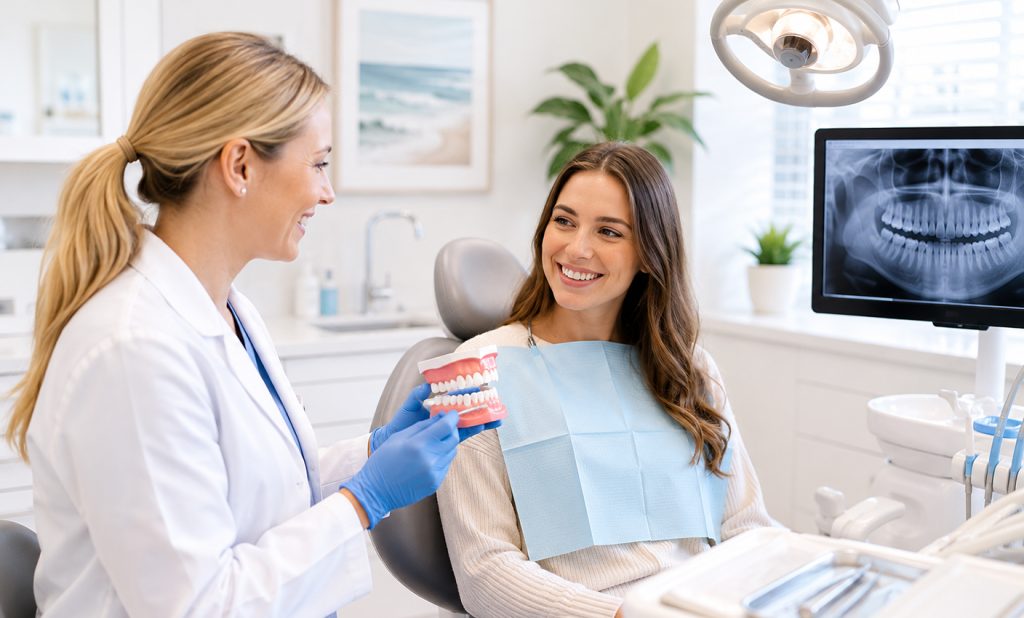
You live in Concord and want dental care that fits your budget without sacrificing quality. You can find affordable dental options in Concord by combining preventive care, community resources, and patient-friendly clinics that offer sliding scales, payment plans, and insurance guidance. The article explains practical steps and local resources so you feel confident about where to go and what to expect.
A neighborhood dental expert breaks down common costs, low-cost treatment choices, and ways to reduce bills through prevention and smart insurance use. Expect clear tips on finding trusted Concord clinics, nonprofit programs, and financial assistance so arranging care feels manageable and reassuring.
Understanding Dental Care Expenses
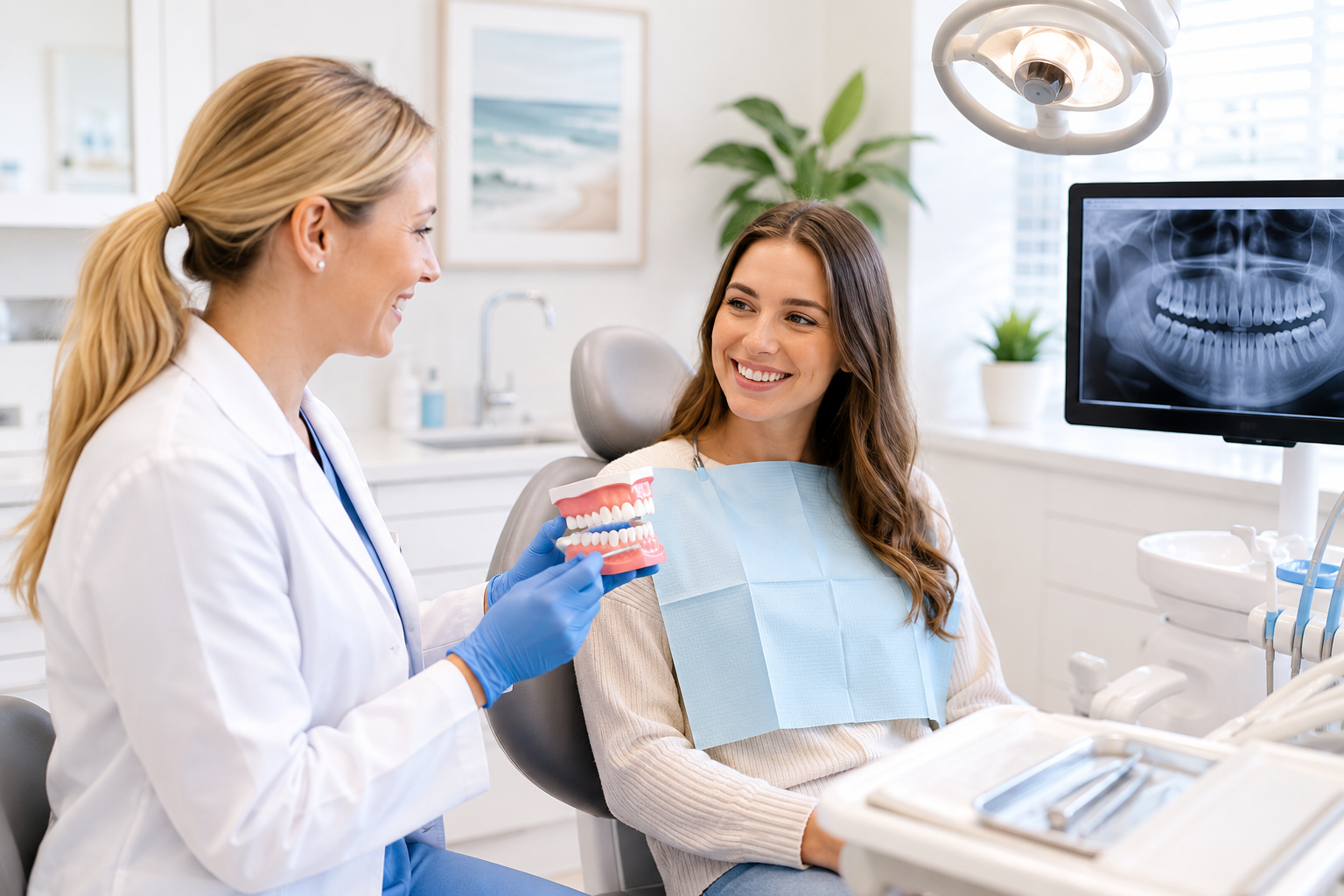
Dental expenses vary by procedure, provider, and insurance. Patients should expect costs to reflect the complexity of treatment, the materials used, and whether specialists or advanced technology are involved.
Key Factors That Influence Dental Costs
Location affects price: Concord-area practices with higher overhead charge more than clinics in nearby smaller towns. Office type matters too — private practices typically bill more than community clinics or dental schools.
Provider credentials change cost. General dentists charge less for fillings; prosthodontists and oral surgeons charge more for crowns, implants, and extractions. Ask about who will perform the work.
Materials and lab fees add to the bill. Porcelain crowns and zirconia implants cost more than metal-based restorations. Labs used for custom prosthetics influence turnaround time and price.
Technology influences fees as well. Digital scans and 3D planning increase upfront cost but can reduce chair time and improve outcomes. Discuss options and get itemized estimates.
Insurance, payment plans, and discounts shift out-of-pocket expense. Preventive visits often fall under low co-pays, while major restorative work may hit deductibles. Verify benefits, preauthorization requirements, and available in-office financing.
Common Myths About Pricing in Dentistry
Myth: “Higher price always equals better quality.” Cost reflects many factors beyond skill, like location and materials. Patients should evaluate credentials, before-and-after photos, and patient reviews rather than price alone.
Myth: “Insurance covers most major work.” Many plans limit crowns, implants, and orthodontics. Annual maximums and waiting periods often leave significant out-of-pocket balances. Confirm coverage limits and alternative treatment options.
Myth: “All dentists charge the same for the same procedure.” Fee schedules vary by training, equipment, and lab partnerships. Request an itemized quote and compare examples of similar cases.
Myth: “Payment plans mean poor-quality care.” Many reputable practices offer interest-free or low-interest financing to help patients access necessary care without compromising standards. Ask about available plans and any fees.
Low-Cost Dental Treatment Options
Concord residents can find affordable choices that prioritize comfort and long-term oral health. The options below focus on prevention, necessary repairs, and cost-conscious emergency care.
Preventive Care Services
Preventive care keeps costs down by avoiding larger problems later. Typical low-cost services in Concord include routine cleanings every six months, fluoride treatments for children and adults at higher decay risk, and sealants applied to molars to block cavities. Many clinics charge sliding-scale fees for cleanings based on income; community health centers often offer appointments under $50–$75 or include preventive care in low-cost membership plans.
Patient education is part of preventive visits. Staff teach proper brushing and flossing techniques and recommend over-the-counter products when appropriate, like ADA‑approved fluoride toothpaste and interdental brushes. Dental schools in the area sometimes provide reduced-rate preventive services delivered by supervised students, which can lower fees while maintaining quality.
Essential Restorative Procedures
When decay or minor damage occurs, Concord clinics focus on cost-effective restorations. Common low-cost restorative options include composite (white) fillings, extractions when a tooth cannot be saved, and stainless-steel crowns for pediatric patients. Composite fillings typically cost less than crowns and root canals and often range by clinic, with community clinics offering discounts or payment plans.
Payment assistance and treatment prioritization help manage costs. Dentists often treat active infections and pain first, then plan phased restorative work—treating front teeth for aesthetics and scheduling back-tooth crowns later. Some practices offer in-house financing, Medicaid coverage for eligible patients, or referral to dental schools for lower-cost restorative procedures performed under supervision.
Emergency Treatments on a Budget
Affordable emergency care emphasizes quick pain relief and infection control. For toothache or swelling, providers usually offer same-day exams, X-rays, and temporary measures such as antibiotics, pulpotomy for children, or temporary fillings to stabilize the tooth. Emergency extraction is a common low-cost option when salvage is not feasible.
Patients should bring ID and insurance information to access sliding-scale or urgent-care slots at community clinics. Many Concord practices maintain a limited number of low-cost emergency appointments daily and partner with local hospitals or dental schools to cover after-hours trauma at reduced rates. Follow-up plans explain definitive care options and payment arrangements to prevent repeat emergencies.
Finding Patient-Centered Dental Clinics in Concord
Patient-centered clinics prioritize clear communication, transparent pricing, and treatment plans that match individual needs. They combine modern dental technology with a calm office environment and staff who explain options in plain language.
What Sets Patient-Focused Practices Apart
Patient-focused practices in Concord begin with an intake that captures medical history, budget concerns, and treatment goals. They offer itemized estimates and financing options like CareCredit, sliding-fee scales, or in-house payment plans so patients understand out-of-pocket costs before procedures start.
Clinics use digital records and intraoral cameras to show patients exact images of problems, then present 2–3 treatment pathways (e.g., preventive care, conservative restoration, or prosthetic solutions) with pros, cons, timelines, and cost ranges. They schedule extra time for complex cases and coordinate referrals to specialists when needed.
Dentists in these practices emphasize preventive visits, personalized hygiene plans, and follow-up reminders. Bilingual staff, evening hours, and online booking often appear in listings to improve access for busy families.
Comfort, Cleanliness, and a Friendly Approach
Waiting areas and operatories in patient-centered Concord clinics stay clean, well-lit, and stocked with clear signage for restroom access and payment. Infection-control protocols follow CDC guidelines, including sterilized instruments, single-use items where appropriate, and visible hand-hygiene stations.
Staff greet patients by name, confirm appointment purposes, and offer comfort measures such as noise-canceling headphones, warm blankets, or topical anesthetic options. For dental anxiety, clinics provide nitrous oxide, oral sedatives, or stepwise acclimation visits and explain sedation risks and costs beforehand.
Reception and clinical teams communicate treatment steps and expected durations at check-in and before any procedure. Clear discharge instructions, printed care plans, and follow-up calls or secure portal messages ensure patients know next steps and whom to contact with questions.
Payment Plans and Financial Assistance
Many Concord dental offices offer choices to lower upfront costs, from interest-free financing to income-based discounts. Patients can compare monthly payment options, eligibility rules, and required documentation to pick the most practical route.
Flexible Financing for Dental Procedures
Dental practices in Concord often partner with third-party lenders like CareCredit and LendingClub Patient Solutions to split treatment costs into monthly payments. Typical plans include 6–24 months interest-free options for balances under a set amount, and longer-term plans with fixed interest for major work such as crowns or implants.
Patients should ask the office for an exact APR, minimum monthly payment, and the total repayment term. Many clinics run promotions covering down payments or offering introductory interest-free periods; verify how a missed payment affects interest retroactively. Clinics can often pre-screen eligibility in minutes, so patients know approval odds before committing.
Sliding Scale and Discount Programs
Some community clinics and federally qualified health centers (FQHCs) in Contra Costa County use sliding fee scales tied to household income and family size. These scales can reduce routine visit fees, X-rays, and basic restorative work. Patients must present proof of income, recent pay stubs, or public assistance documentation to qualify.
Private practices sometimes offer in-office discount plans that lower fees for cleanings, fillings, and dentures for an annual membership fee. Those plans are not insurance but provide predictable savings for uninsured or underinsured patients. Ask for a fee schedule that lists services covered and any exclusions to avoid surprises.
Resources for Uninsured Patients
Uninsured Concord residents can access low-cost care through local FQHCs like La Clínica or the Contra Costa Health Services dental clinics. These centers provide preventive care and basic procedures on a sliding scale, and some run periodic free or reduced-cost care events.
Additional options include dental schools (e.g., UCSF outreach programs) that offer supervised student care at reduced rates, and nonprofit clinics that coordinate volunteers for complex cases. Patients should bring ID, income documentation, and a list of current medications to speed registration and eligibility determination.
Dental Insurance and Coverage Tips
This section explains how to read a dental plan and how to use benefits efficiently to lower out-of-pocket costs. It focuses on key terms, common limits, and practical steps to get the most from plans in Concord, CA.
Understanding Policy Benefits
They should start by checking the plan’s covered services list and summary of benefits. Look for preventive care coverage (cleanings, exams, X-rays) and confirm whether those are paid at 100% or after a copay.
Pay attention to waiting periods and annual maximums. Many plans restrict major services (crowns, implants, root canals) with long waiting periods and caps like $1,000–$2,000 per year. That affects when to schedule costly treatments.
Know in-network vs out-of-network rules. In-network providers accept negotiated fees, reducing costs. Out-of-network care can cause balance billing unless the plan has an allowance system.
Verify age limits and frequency limits. Orthodontic benefits often have lifetime limits; cleanings may be allowed twice yearly. Request a written benefits estimate from the insurer before starting treatment.
Making the Most of Your Coverage
They should schedule preventive visits early in the plan year to maximize benefits before the annual maximum resets. If major work is needed, splitting procedures across two calendar years can use two annual maximums.
Ask the dental office to submit a pre-treatment estimate (predetermination). This clarifies covered amounts and patient responsibility before work begins and reduces billing surprises.
Consider alternative coverage options for gaps. A dental discount plan or low-cost clinic in Concord can lower costs for uncovered procedures. Compare local community clinics, DPPO networks, and employer plans for cost and access.
Keep organized records: claim forms, EOBs (explanation of benefits), and receipts. Dispute errors promptly with the insurer and request itemized bills from the office when charges seem incorrect.
- Quick checklist:
- Confirm in-network status.
- Review waiting periods and annual maximums.
- Request predetermination for major work.
- Use preventive visits early in the year.
- Keep all insurance documents on file.
They encourage readers to contact their Concord dental office or plan administrator to clarify specifics and arrange a benefits review.
Community and Nonprofit Dental Resources
Local organizations and nonprofits connect residents with affordable care, sliding-scale fees, and educational programs. They help people find referrals, short-term grants, and periodic free clinics that reduce financial and logistical barriers to treatment.
Referral Programs and Local Partnerships
Community health centers, Concord-based clinics, and county social services often run formal referral programs linking low-income patients to dental providers who accept Medi-Cal, sliding fees, or pro bono work. Concord Community Health Center and Contra Costa Health Services maintain lists of participating dentists and can issue referrals for urgent and routine care.
Nonprofits such as the Dental Lifeline Network and local Rotary clubs coordinate with private practices to place volunteer dentists for complex cases. Many referrals require documentation — proof of income, residency, and any current insurance — so patients should prepare ID, pay stubs, or Medi-Cal cards before contacting agencies. Phone lines and online portals typically list eligibility criteria, wait times, and appointment scheduling instructions.
Seasonal Free or Reduced-Cost Clinics
Mobile dental vans and pop-up clinics appear seasonally in Concord parks, community centers, and school health fairs, offering cleanings, extractions, sealants, and basic restorations at no cost or reduced fees. Events are often timed around back-to-school periods and community health weeks, with slots allocated by appointment or first-come, first-served.
Organizations to watch for include county public health campaigns, local churches, and nonprofit groups like Remote Area Medical when they coordinate regional visits. Clinics usually provide services on a single day and focus on urgent needs; they may offer follow-up referral lists for ongoing care. Patients should verify required documents, arrive early, and bring a list of medications and any prior dental records to speed intake.
How to Choose a Trusted Dentist in Concord
Choosing a dentist in Concord should focus on clear credentials, local reputation, and how the practice handles patient comfort and costs. Look for verifiable licenses, modern equipment, and evidence of friendly, transparent communication.
Checking Qualifications and Credentials
Verify the dentist’s license with the California Dental Board online; search by name to confirm active status and any disciplinary actions. Note specialty certifications (e.g., prosthodontics, endodontics) displayed on the practice website or in-office.
Ask about continuing education: reputable dentists share recent courses in sedation, implant placement, or digital dentistry. Confirm who will perform procedures—some offices use visiting specialists; patients should know the practitioner’s name and credentials in advance.
Inspect the facility for up-to-date technology like digital X-rays, intraoral cameras, and electronic health records; these improve diagnosis and reduce radiation. Inquire about infection-control protocols and sterilization practices; clear answers and posted policies indicate professionalism.
Request a treatment plan breakdown with costs, alternatives, and expected timelines before major work begins. Transparent pricing and written estimates help compare affordability and prevent surprises.
Evaluating Reviews and Patient Stories
Read local online reviews on Google, Yelp, and Facebook, focusing on recent feedback about appointment wait times, staff friendliness, and pain management. Give more weight to detailed reviews that describe specific procedures and outcomes rather than short ratings.
Look for patterns: repeated praise for gentle care or repeated complaints about billing issues are more informative than a single glowing comment. Check for responses from the practice—timely, respectful replies to negative reviews indicate active patient care management.
Ask friends, coworkers, or nearby community groups in Concord for personal referrals, and request before-and-after photos for cosmetic or restorative work. During an initial visit, note whether staff explain treatment steps clearly and discuss payment options like sliding scales, CareCredit, or in-house financing.
Observe patient flow and office demeanor; a calm, organized reception area and friendly hygienists often reflect the overall patient experience.
Preventive Strategies to Lower Dental Costs
Regular, simple actions can prevent costly treatments later. Small daily habits and timely checkups save money and protect oral health.
Healthy Habits for Oral Wellness
They should brush twice daily with a soft-bristled brush and fluoride toothpaste for two minutes to remove plaque and prevent cavities. Flossing once a day reaches areas a brush misses; interdental brushes or water flossers help those with bridges or braces.
Diet adjustments reduce risk: limit sugary snacks and drinks to mealtimes, choose water over soda, and eat calcium-rich foods like yogurt and leafy greens. Tobacco cessation and moderating alcohol lower risk of gum disease and oral cancer.
They should use fluoride rinses if at higher decay risk and consider dental sealants for molars in children and teens. Carrying sugar-free gum containing xylitol aids saliva flow after meals when brushing isn’t possible.
Scheduling Regular Checkups
They should visit a dentist every six months for cleaning and exam unless a dentist prescribes a different interval based on risk. Professional cleanings remove tartar that cannot be brushed away and reduce gum disease progression.
During exams, dentists perform targeted X-rays and oral cancer screens when indicated, catching problems early when treatments cost less. Patients should book follow-up care promptly if the dentist finds cavities or gum issues; early fillings and nonsurgical periodontal care cost far less than crowns or extractions.
Ask the dental office about low-cost cleaning days, sliding-scale clinics in Concord, or bundled preventive plans to lower out-of-pocket expenses.
Your Next Steps Toward a Healthier Smile
They should start by scheduling a dental checkup to assess needs and prioritize care. An exam reveals issues early and often reduces long-term costs.
Patients can ask about affordable options like sliding-scale fees, payment plans, and in-house financing. Many Concord clinics list these on their websites or explain them during a phone call.
They should prepare a simple list before the visit: current medications, dental concerns, and budget questions. Bringing insurance cards or information about income-based programs speeds up eligibility checks.
Consider preventive steps at home that complement professional care: brush twice daily, floss once, and use fluoride toothpaste. Small daily habits lower the chance of costly procedures later.
Compare providers by looking for modern equipment, patient comfort measures, and clear pricing. Reading recent patient reviews and checking credentials helps identify trustworthy practices.
If anxiety is a concern, patients can request sedation options or shorter, staged appointments. Communicating fears ahead of time lets the team tailor care for comfort.
Use this quick checklist to prepare:
- Call for a consultation and ask about affordability options
- Gather insurance and medical information
- Note specific symptoms or cosmetic goals
- Plan questions about treatment timelines and costs
They should contact a local Concord dental office to discuss options and book an appointment. A brief conversation can clarify affordability and create a personalized plan for a healthier smile.
Frequently Asked Questions
This section answers practical concerns about finding affordable care, low-cost options without insurance, Medi‑Cal/Denti‑Cal acceptance, what to expect at a first visit after a long gap, quick ways to handle tooth pain, and simple prevention strategies to protect teeth between visits.
How can I find a dentist nearby with fair pricing and clear cost estimates before I book?
They should check local dental clinic websites for published fees, treatment price lists, or “new patient” specials.
Calling the office and asking for an itemized estimate for specific services — exam, X‑rays, cleaning, fillings — gives a clear cost before scheduling.
They can also compare fees using consumer review sites and community health directories.
Look for practices that offer free or low‑cost consults; those often provide written estimates and financing options.
What low-cost options are available if I don’t have dental insurance, and how do membership plans work?
Community dental clinics and dental schools usually offer scaled fees based on income and lower treatment costs.
Sliding‑scale clinics require proof of income; dental schools charge less because care is provided by supervised students.
Many private practices offer in‑office membership plans that replace insurance for routine care.
Membership plans typically charge an annual fee that covers exams, cleanings, and X‑rays at reduced procedure rates; patients pay the discounted fee directly to the office.
Which local dental offices accept Medi-Cal (Denti-Cal), and what services are typically covered?
County health department websites and the California Denti‑Cal provider search list participating offices by city, including Concord.
Calling a prospective office and confirming Denti‑Cal acceptance and appointment availability prevents wasted trips.
Denti‑Cal usually covers preventive care, exams, X‑rays, fillings for children and adults, some extractions, and certain emergency services.
Coverage for crowns, implants, or cosmetic procedures is limited or not covered; verify specific benefits with the office or the Denti‑Cal member service line.
What should I expect at a first visit if it’s been years since my last dental checkup?
The visit will typically include a health history review, a full oral exam, and diagnostic X‑rays to assess decay, bone levels, and existing restorations.
A hygienist or dentist will perform a professional cleaning and record gum measurements if gum disease is suspected.
They will discuss treatment priorities, create a phased care plan, and provide a cost estimate before starting non‑urgent work.
Expect staff to offer options for pain control, financing, and scheduling follow‑up appointments.
How can I manage tooth pain quickly, and when should I seek an urgent same-day appointment?
For immediate relief, rinse with warm salt water, take an over‑the‑counter pain reliever per label directions, and avoid biting on the painful tooth.
A cold compress applied to the face for 10–15 minutes can reduce swelling and discomfort.
They should seek same‑day care for severe pain, swelling that affects breathing or swallowing, fever with dental pain, or uncontrolled bleeding.
If a tooth is fractured with exposed pulp or if pain is worsening despite home care, call the dental office for urgent treatment.
What are gentle, budget-friendly ways to prevent cavities and gum disease between regular cleanings?
Brushing twice daily with a fluoride toothpaste and flossing once a day reduces plaque and cavity risk; fluoride mouth rinses help where cavities are frequent.
Choosing a soft‑bristle toothbrush and replacing it every three months keeps brushing effective without extra cost.
Limiting sugary snacks and acidic drinks, drinking water after meals, and chewing sugar‑free gum for 20 minutes after eating protect enamel.
Scheduling routine cleanings every six months and discussing topical fluoride or sealants with the dentist adds low‑cost prevention tailored to personal risk.
Please call the Concord office to ask about estimates, membership plans, Medi‑Cal acceptance, or to schedule a consultation if they need individualized guidance or want to book a first visit.