

You want a family dentist in Concord, CA who cares for everyone and makes visits simple and stress-free. A local family dentist offers preventive care, age‑appropriate treatments, and modern technology to keep your whole family’s smiles healthy.
They explain options clearly, tailor care to each person, and coordinate treatments so busy schedules don’t get derailed. Expect services from routine cleanings and child-friendly visits to restorative and cosmetic work, all delivered with a focus on comfort and prevention.
You’ll also find practices that connect with the community and use digital tools to speed appointments and improve outcomes. Keep reading to learn how to choose the right Concord family dentist, what services to expect, and how preventive care saves time and money.
Why Choose a Local Family Dentist
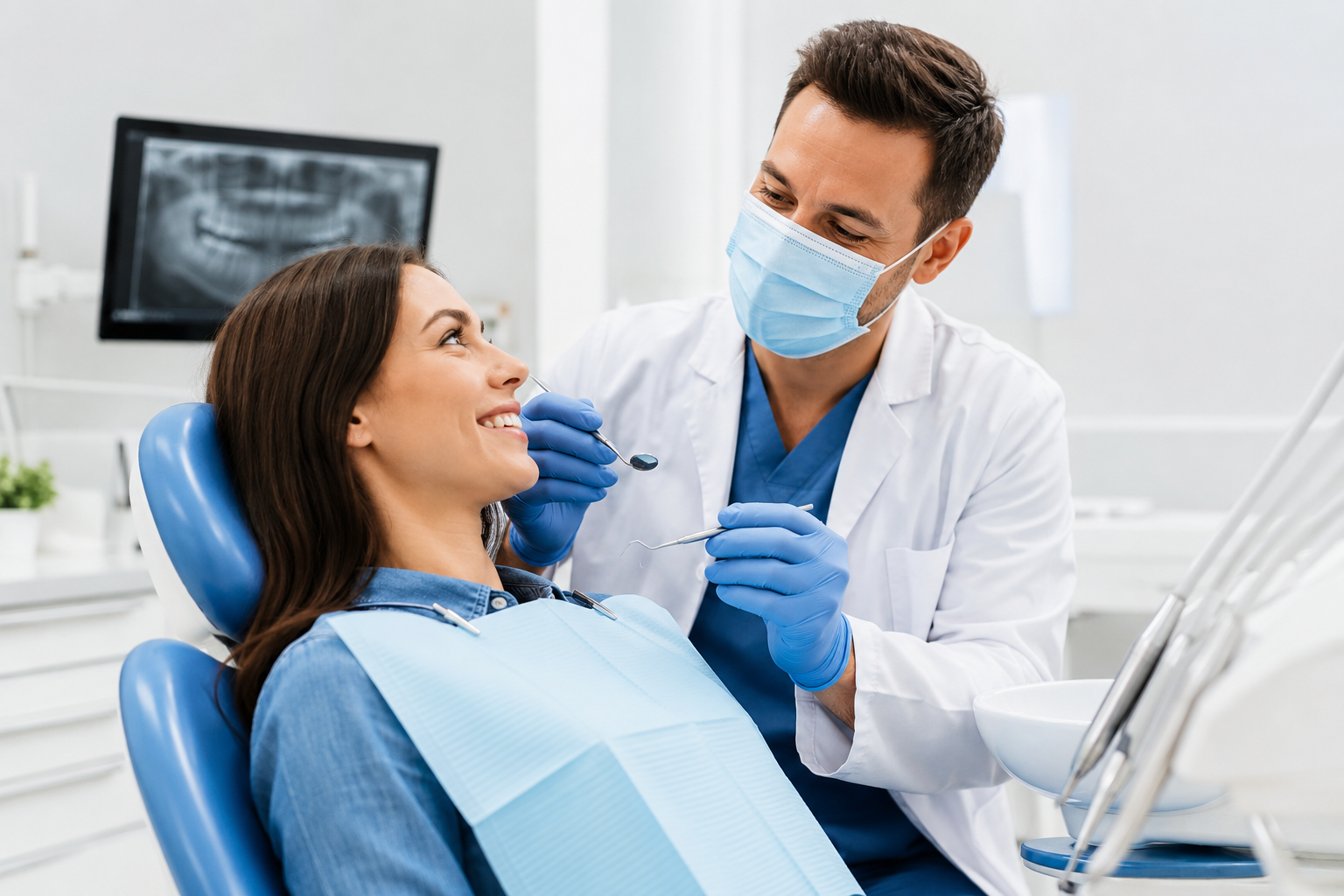
A local family dentist offers routine prevention, restorative care, and treatment for children and adults under one roof. Patients gain continuity, personalized treatment plans, and easier access to appointments and emergency care.
Benefits of Consistent Dental Care
Consistent care with the same provider helps dentists track oral health changes over time. Dentists in Concord CA can compare current X-rays and exam notes to ones from prior years, spotting early decay, shifting bite patterns, or gum changes before they become complex problems.
Regular visits also allow tailored prevention: fluoride treatments, individualized home-care advice, and scheduling that fits the family’s school and work calendar. For children, the dentist can time sealants and growth assessments around developmental milestones. For adults, consistent cleanings and risk-based screening reduce the need for urgent procedures.
Insurance coordination improves when one practice handles recurring care. Administrative staff familiar with a patient’s coverage can maximize in-network benefits, pre-authorize treatments, and suggest cost-effective alternatives. That reduces surprises and helps families budget for planned restorative work.
Understanding Patient Relationships
Long-term relationships build trust and reduce anxiety for patients of all ages. A family dentist in Concord who sees siblings and grandparents learns family dental histories and behavioral cues, enabling gentler exams and realistic treatment plans.
Dentists who know a patient’s past responses to anesthesia, comfort preferences, and communication style can tailor each visit. That personal knowledge speeds exams and improves cooperation during treatments, which is especially helpful with young children or patients with dental fear.
Those relationships also enable coordinated care across specialties. When a restorative or orthodontic referral is needed, the family dentist can communicate directly with specialists, transfer records promptly, and follow up to ensure continuity. This collaboration shortens treatment timelines and improves outcomes.
How Location Impacts Convenience
A nearby practice shortens travel time for regular cleanings, follow-ups, and urgent visits. Concord families benefit from shorter drives after school or work, less time off work, and quicker access when a child experiences sudden pain or a broken tooth.
Local dentists can offer flexible scheduling like early morning, evening, or weekend slots to accommodate commuters and students. They also coordinate with nearby medical offices and pharmacies for aftercare, prescriptions, and cross-referrals, reducing logistical barriers to treatment.
Proximity matters for continuity during life changes. If a family moves within the Concord area, staying with the same practice often remains practical. The local team already holds medical histories, contact preferences, and insurance details, so care continues smoothly without repeated paperwork.
If the family would like to schedule a consultation or ask about services, contact the Concord practice to review availability and the treatments they offer.
Comprehensive Services for All Ages
This practice offers preventive care, routine adult dentistry, and senior-focused services tailored to comfort and function. Care emphasizes early detection, minimally invasive treatments, and clear communication about options and costs.
Preventive Care for Children and Teens
The team provides age-appropriate cleanings, fluoride varnish, and dental sealants to reduce cavities in molars that are most vulnerable between ages 6–14. They schedule visits every six months and track eruption patterns to time sealants and orthodontic referrals.
They teach brushing and flossing with hands-on demonstrations and use visual aids to show plaque buildup. For anxious children, the office uses child-friendly language, distraction techniques, and short appointments to build positive experiences.
When early signs of decay or bite problems appear, the dentist offers conservative restorations (tooth-colored fillings) and timely referrals to an orthodontist. Parents receive clear written care plans, estimated costs, and tips for diet changes to lower sugar exposure.
Routine Exams and Cleanings for Adults
Adults receive comprehensive oral exams that include periodontal charting, oral cancer screening, and digital X-rays when needed for accurate diagnosis. Hygienists perform scaling and polishing, plus personalized home-care instruction focused on areas of greatest plaque and tartar buildup.
The practice manages common adult concerns such as sensitivity, recurring decay, and cosmetic requests (whitening, veneers). For restorative needs, patients see options with pros, cons, longevity, and price ranges—e.g., composite fillings, ceramic crowns, and implant-supported crowns.
Smoking cessation support and referrals for sleep apnea screening are available for patients with related risks. The office offers flexible scheduling and payment plans to make routine maintenance and planned restorative work accessible.
Geriatric Dentistry and Senior Comfort
Care for older adults centers on preserving function, preventing root decay, and managing dry mouth from common medications. The team evaluates existing restorations, checks for denture fit, and screens for conditions that affect chewing and nutrition.
They adapt treatment to mobility and cognitive needs—longer appointment times, wheelchair access, and clear, large-print aftercare instructions. When treating complex cases, dentists coordinate with physicians, geriatric specialists, and caregivers to align dental care with overall health goals.
Options include denture relines, implant-retained dentures, simplified hygiene plans, and minimally invasive repairs to avoid unnecessary extractions. The practice emphasizes comfort measures: topical anesthetics, warm blankets, and breaks as needed to reduce anxiety and fatigue.
Personalized Care and Patient Experience
Patients receive care tailored to their medical history, dental goals, and lifestyle. The practice emphasizes clear communication, predictable pricing, and comfort measures to make visits efficient and pleasant.
Welcoming New Patients
New patients complete a short online form before their first visit to speed check-in and allow the team to review medical history and current medications. The front-desk staff greets families by name and confirms insurance details or explains out‑of‑pocket estimates, so there are no billing surprises.
The initial exam includes digital X‑rays, a thorough oral-cancer screening, and a discussion of concerns and goals. The dentist reviews findings using intraoral photos on a chairside monitor, then maps a proposed treatment plan with priorities and timelines. Patients receive printed and emailed copies of the plan plus cost options and financing when needed.
Gentle Approaches for Anxious Individuals
For anxious patients, the office offers pre-visit phone consultations and a quiet, low‑stimulus treatment room on request. The team uses short, clear explanations and offers breaks during procedures to keep patients in control.
Clinicians employ topical numbing and syringe-free anesthetic systems for injections when appropriate, reducing pain and fear. Nitrous oxide is available for mild to moderate anxiety; oral sedation is arranged with pre-visit medical clearance for more extensive needs. Pediatric visits incorporate tell‑show‑do techniques and familiar rewards to build trust.
Flexible Appointment Scheduling
The practice keeps morning, evening, and Saturday slots to accommodate school and work schedules. Patients can book online 24/7, call to schedule, or request same-week openings for urgent needs.
Reminders arrive via text and email with an easy one‑tap confirmation or reschedule link. For extensive treatment, the office blocks consecutive chair time and coordinates with the patient to minimize visits, combining procedures when clinically appropriate.
Modern Technology in Family Dentistry
Modern equipment reduces office time, lowers radiation exposure, and improves early detection. Care teams use digital imaging and comfort-focused tools to make visits faster and less stressful for every family member.
Digital X-Rays and Diagnostic Tools
Digital X-rays produce images instantly on a monitor, using up to 80–90% less radiation than film X-rays. This allows clinicians to enlarge and enhance images to spot small cavities, cracked roots, or bone loss that a visual exam might miss.
Intraoral cameras provide close-up photos of teeth and gums so patients can see exactly what the dentist describes. Cone beam CT (CBCT) scans offer 3D views for complex cases such as implant planning or orthodontic assessments, improving precision in diagnosis and treatment planning.
Digital sensors integrate with electronic records, so images are stored securely and shared quickly with specialists when needed. Many practices also use caries-detection fluorescence and computerized periodontal probes to quantify disease and track progress over time.
Comfort-Enhancing Techniques
Nitrous oxide (laughing gas) and local anesthesia delivery systems with slow, steady flow reduce injection pain and anxiety for children and nervous adults. Topical anesthetics and distraction tools like headphones or video spectacles help make procedures more tolerable.
Ergonomic dental chairs and noise-reducing handpieces lower physical discomfort during longer treatments. For patients needing extensive work, dentists may offer same-day restorations with CEREC milling units that produce ceramic crowns in one visit, cutting multiple appointments.
Sedation options, from oral sedatives to IV sedation, match patient needs while maintaining safety through monitoring equipment. Clear communication, pre-visit planning, and child-friendly operatory setups further minimize stress and create a calm experience for families.
Focus on Preventive Dentistry
Preventive care reduces cavities, gum disease, and costly treatments while keeping smiles comfortable and attractive. Practical daily habits and routine dental visits together protect teeth, gums, and overall health.
Education on At-Home Oral Hygiene
The dentist teaches specific brushing and flossing techniques tailored to each mouth. They recommend brushing twice daily for two minutes with a soft-bristled brush and fluoride toothpaste, showing the proper 45-degree angle and small circular motions to clean along the gumline.
Dental teams advise flossing once daily using a gentle C-shape motion to remove plaque between teeth where brushes can’t reach. For patients with braces, bridges, or implants, they demonstrate interdental brushes, floss threaders, or water flossers and specify product sizes and usage tips.
They assess diet and recommend limiting sugary snacks and acidic drinks, suggesting alternatives like cheese, nuts, or water to protect enamel. For children and high-cavity-risk adults, the office prescribes fluoride varnish or home rinses and explains frequency and application instructions.
Importance of Regular Check-Ups
Routine exams catch problems early; the dentist inspects teeth, gums, bite, and oral tissues for signs of decay, gum disease, or lesions. They use digital x-rays and intraoral cameras to detect issues under surfaces and document changes across visits.
Cleanings remove hardened tartar that brushing can’t eliminate, focusing on pockets and the gumline to prevent periodontitis. Hygienists measure pocket depths, provide stain removal, and give personalized feedback on areas repeatedly missed at home.
Visit frequency generally ranges from every three to six months based on risk factors like smoking, diabetes, or a history of periodontal disease. The office schedules follow-ups and explains preventive treatments—sealants for children, fluoride for teens and adults, or night guards for grinding—so patients understand next steps and expected outcomes.
Restorative Treatments and Solutions
This section describes reliable, tooth-preserving options that restore function and appearance. It focuses on common choices that a Concord family dentist recommends for cavities, fractures, and worn teeth.
Tooth-Colored Fillings
Tooth-colored (composite) fillings repair cavities and small chips using resin that bonds to enamel and dentin. The dentist removes decay, isolates the tooth, and places the composite in layers, curing each with a blue light. Layering preserves tooth strength and reduces sensitivity compared with older techniques.
Composites match the natural tooth shade, so they blend with surrounding teeth for a discrete look. They work well for front and back teeth but may need replacement sooner than some metal options if exposed to heavy chewing forces. Patients with small to moderate decay benefit most; dentists choose composite based on cavity size, location, and the patient’s bite.
Care involves routine brushing, flossing, and avoiding very hard foods on newly placed restorations for 24 hours. The dentist checks occlusion and polish at follow-ups to ensure comfort and longevity. If staining or marginal breakdown appears, the filling can be repaired or replaced.
Crowns and Bridges Options
Crowns restore severely damaged or root-canaled teeth by covering the entire visible surface; bridges replace one or more missing teeth by anchoring pontics to adjacent crowned teeth. Dentists evaluate tooth structure, bite, and esthetic needs before recommending materials.
Common crown materials include:
- Porcelain-fused-to-metal (PFM): strong, good for back teeth, slight metal margin may show.
- All-ceramic/porcelain: excellent esthetics for front teeth, biocompatible.
- Zirconia: very durable and increasingly used for both front and back teeth.
Bridges can be traditional (using crowns on both sides), cantilever (one-sided support), or Maryland (bonded wing design) depending on adjacent tooth health. Implants offer an alternative to bridges when adjacent teeth are healthy and the patient prefers a standalone replacement.
Preparation typically requires two visits: tooth shaping and impression (or digital scan), followed by final cementation. Temporary restorations protect teeth between visits. The dentist discusses expected lifespan, maintenance, and insurance coverage to help patients choose the best option.
Cosmetic Enhancements for Family Smiles
This section explains practical, clinic-ready options to brighten teeth and correct minor misalignment for adult and teenage patients. It emphasizes safety, expected results, and typical timelines so families can decide with confidence.
Teeth Whitening Methods
In-office professional whitening uses high-concentration hydrogen peroxide applied by a dental professional, often with a light or laser to accelerate results. Patients typically see multiple shades of improvement in a single 60–90 minute visit; sensitivity is possible but usually short-lived and manageable with desensitizing agents.
Take-home trays provided by the dentist use lower-concentration peroxide in custom-fitted trays for nightly or daily use over 1–2 weeks. These take-home systems produce gradual, predictable whitening with less immediate sensitivity and allow touch-ups later.
Over-the-counter products like strips and whitening toothpaste can help mild surface stains but deliver smaller, inconsistent results compared with custom options. Dentists screen for restorations (crowns, veneers) and active decay first, since whitening does not change the color of those materials and may require restorative adjustments.
Correcting Minor Alignment Issues
Clear aligners designed for minor crowding, spacing, or mild bite correction offer discreet, removable treatment that many teenagers and adults prefer. Typical treatment spans 3–12 months depending on case complexity, with periodic check-ins every 4–8 weeks to monitor progress.
Composite bonding and contouring correct small chips, short teeth, or slight overlaps in a single visit. A dentist sculpts tooth enamel or adds tooth-colored resin to adjust shape and length; these repairs require routine polishing and possible replacement or repair after several years.
For very mild rotation or relapse after orthodontics, fixed lingual retainers or removable retainers maintain alignment post-treatment. Dentists will evaluate bite forces and gum health before recommending cosmetic alignment so changes remain stable and do not cause long-term wear.
Community Connections and Local Involvement
The Concord family dentist actively participates in local events to build trust and familiarity. They attend health fairs, school programs, and neighborhood gatherings to share simple tips on oral hygiene.
They partner with schools for dental screenings and educational assemblies. These visits help catch issues early and teach children how to care for their teeth in clear, age‑appropriate ways.
The practice supports community charities and volunteer clinics. Donations and pro bono care provide access to preventive services for families who need them.
They offer free or low‑cost workshops on topics like cavity prevention, fluoride use, and managing dental anxiety. Short, practical demonstrations show brushing and flossing techniques that families can use at home.
The team maintains relationships with local pediatricians, senior centers, and health organizations. These connections enable coordinated care and easier referrals when patients need specialized services.
Benefits to patients:
- Regular outreach increases awareness of preventive care.
- School programs reduce missed diagnoses in children.
- Community partnerships expand access for underserved residents.
Readers are encouraged to ask their Concord dentist about upcoming community events or request an educational visit for a school or group. They can contact the office to learn how to get involved or schedule a consultation.
Taking the Next Step Toward Healthy Smiles
Patients often delay care because they feel unsure about cost, time, or discomfort. The Concord family dentist addresses these concerns with clear treatment plans, flexible scheduling, and gentle techniques to reduce anxiety.
A quick checklist helps people prepare for a first visit: bring insurance info, a list of medications, and any recent dental records. The team also recommends writing down questions beforehand to make the appointment efficient and productive.
They explain preventive options in plain language and show how small changes—like flossing once daily—cut cavity risk and improve gum health. Modern tools such as digital X-rays and intraoral cameras let patients see what the dentist sees, which makes decisions easier.
For families, coordinated care saves time: children, adults, and seniors can often be seen during the same visit. The practice offers routine cleanings, sealants for younger patients, and tailored plans for chronic conditions like diabetes.
Bold, transparent pricing and financing options remove surprises. Patients can choose between payment plans, insurance coordination, and occasional specials that lower upfront costs.
Encourage scheduling a consultation to review oral health and options. The Concord dentist welcomes questions and offers a comfortable, straightforward path toward better dental health.
Frequently Asked Questions
This section answers practical questions about selecting a family dentist in Concord, what to expect at visits, insurance and payment options, signs that need sooner care, handling dental emergencies, and how dentists use prescriptions. Each answer focuses on clear steps and realistic expectations.
How do I choose a dentist for my whole family in the Concord area, including kids and adults?
They should look for a dentist with experience treating children and adults, such as a practice that lists pediatric behavior management and adult restorative services. Verify state dental board licensure, read recent patient reviews, and tour the office to confirm a child-friendly waiting area and modern infection-control practices.
Ask whether the office offers preventive programs, like fluoride varnish, sealants for kids, and routine periodontal screenings for adults. Check hours for evening or weekend appointments and whether the staff communicates clearly about costs and treatment plans.
What should I expect during a first dental visit, and how can I help my child feel comfortable?
The first visit usually includes a medical history review, a gentle exam of teeth and gums, and possibly bitewing X-rays if indicated. The hygienist typically does a cleaning while the dentist performs a short exam and discusses findings.
For children, parents should describe the visit positively, avoid using threatening language, and bring a comfort item. The dental team often uses child-friendly explanations, slow introductions to instruments, and short praise-based goals to build trust.
Do local dental offices accept Medi-Cal or other insurance plans, and what payment options are available?
Many Concord-area practices accept commercial PPO plans and some accept Medi-Cal, but participation varies by office and by specific plan. Call the office before booking to confirm network participation and whether any procedures require preauthorization.
Offices commonly offer payment plans, credit card processing, and third-party financing (e.g., CareCredit). Ask for a written estimate and a breakdown of what insurance covers and what the patient’s responsibility will be.
What are the most common signs I should book a checkup soon instead of waiting for my next cleaning?
Book an appointment sooner if there is persistent tooth pain, swelling in the gums or face, bleeding that does not stop after gentle brushing, or a loose tooth in an adult. Noticeable changes such as a new white or dark spot on a tooth, bad breath that does not improve with brushing, or sensitivity to hot and cold also warrant prompt evaluation.
If a filling falls out or a crown becomes loose, call the office immediately to prevent further damage. Early treatment often avoids larger procedures later.
What can I do if I have a dental emergency like a broken tooth or severe toothache and need same-day care?
Call the dental office right away and describe symptoms; many practices reserve same-day slots for true emergencies. For a broken tooth, rinse with warm water, apply cold compresses to reduce swelling, and bring any tooth fragments to the appointment.
For severe toothache, gently floss to remove trapped food and take over-the-counter pain relievers per package directions unless contraindicated. If there is uncontrolled bleeding or signs of infection spreading (fever, increasing swelling), seek immediate care or emergency services.
Can a dentist prescribe medications when needed, and how do they decide what’s safe and appropriate?
Dentists can prescribe antibiotics, analgesics, and short courses of sedatives or anti-anxiety medications when clinically indicated. They decide based on the diagnosis, medical and medication history, allergies, and current guidelines for antibiotic stewardship and pain management.
Patients should report all medications, pregnancy status, and medical conditions before receiving a prescription. The dental team will explain dosage, duration, side effects, and when to return if symptoms do not improve.